An injury has a way of interrupting more than just your routine. It disrupts momentum, confidence, and sometimes even identity, especially for active individuals. Whether you’re an athlete, a weekend runner, or someone who simply enjoys staying active, the path back can feel uncertain. That’s where Sports Rehabilitation steps in. It is not just a treatment but a structured and supportive journey back to strength.
What Is Sports Rehabilitation?
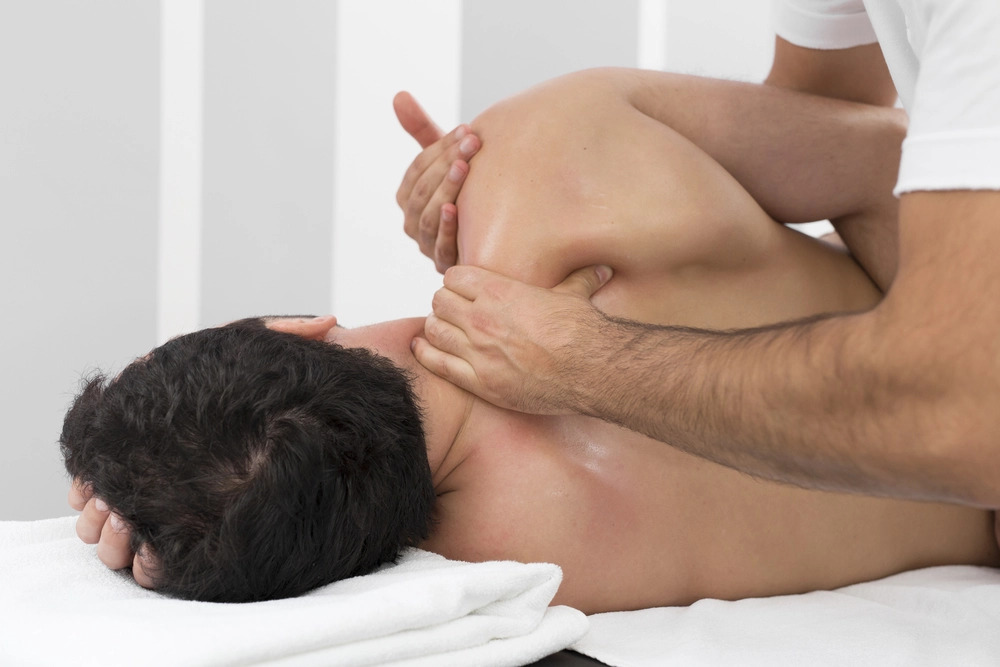
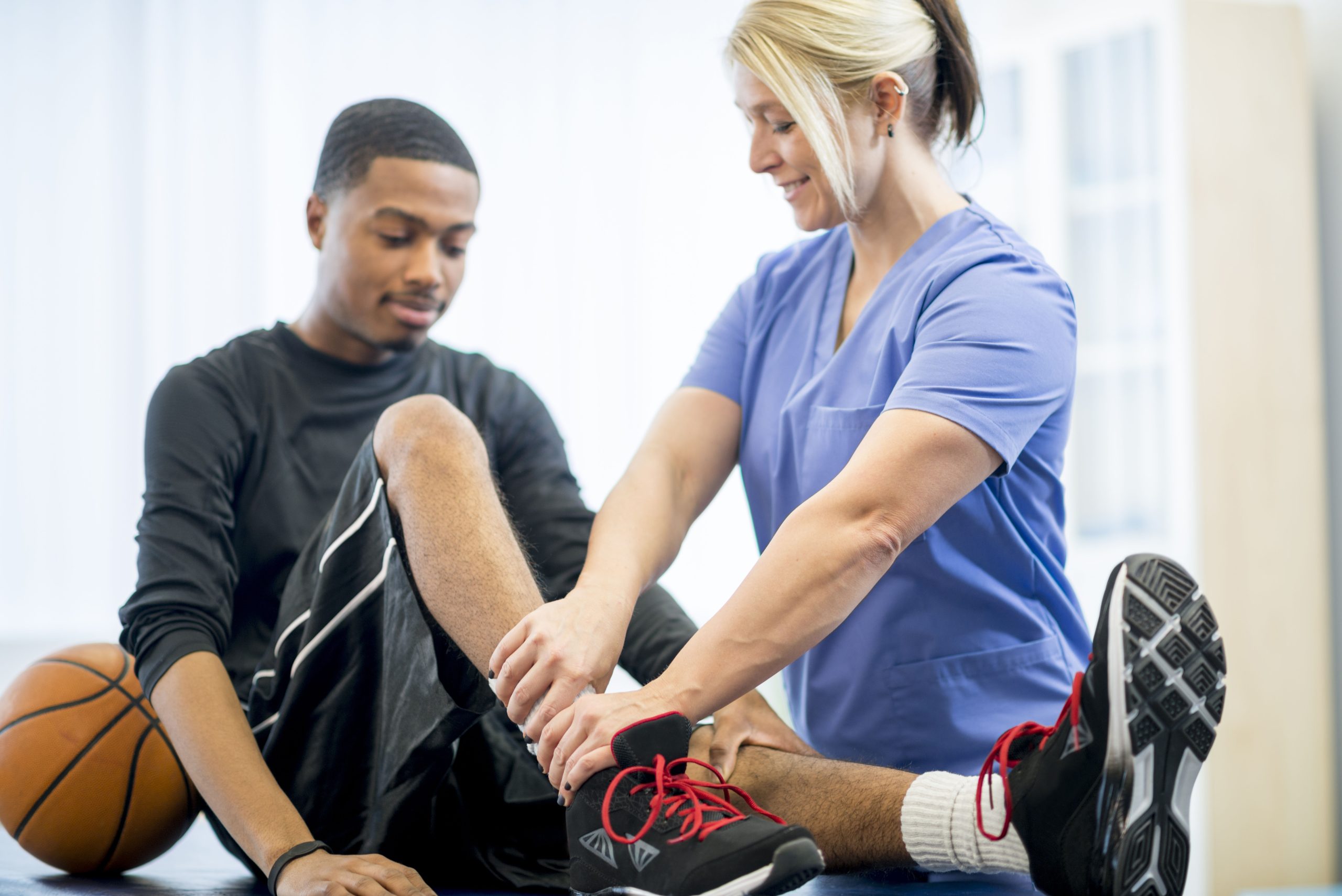
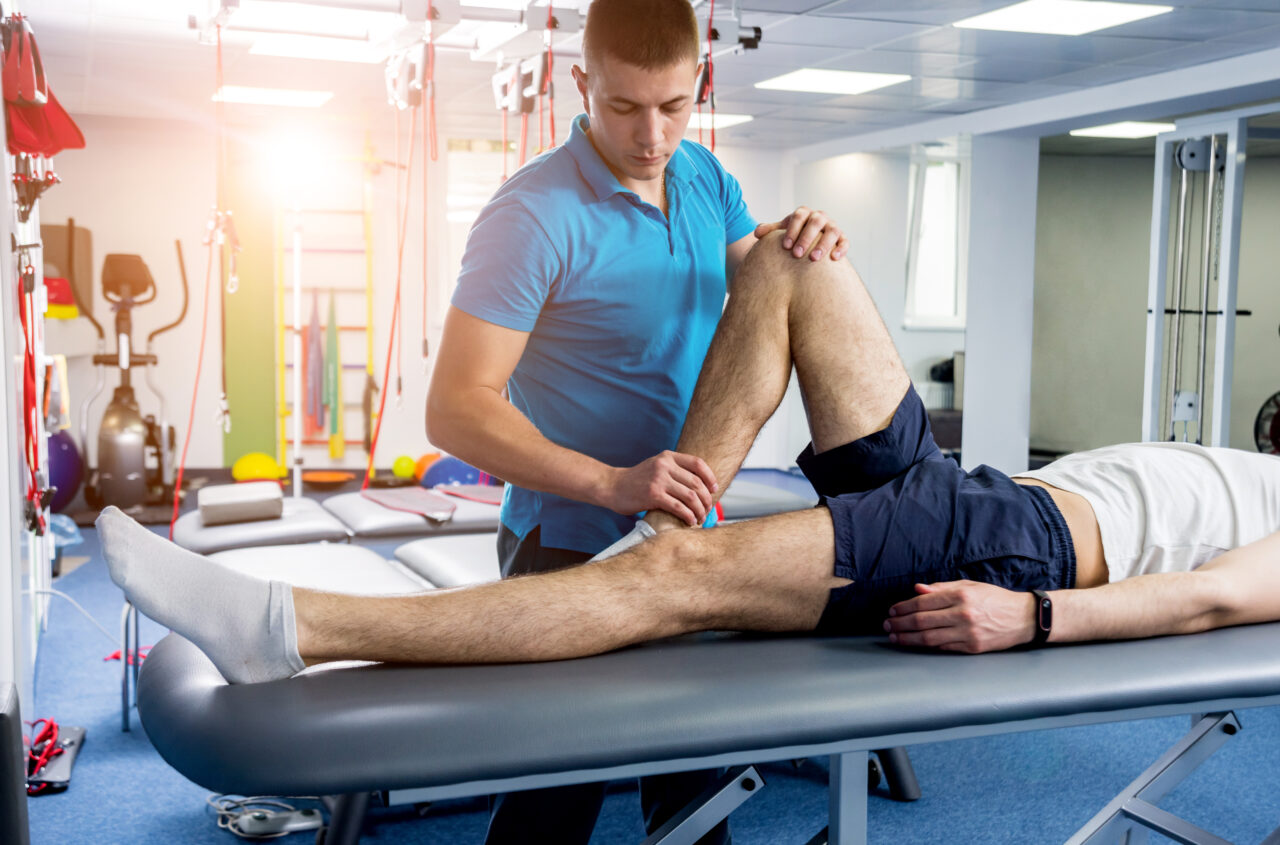
At its core, Sports Rehabilitation is a targeted approach to healing injuries related to physical activity. It combines science-backed care, movement-based therapy, and personalized planning to help individuals recover safely and effectively.
Unlike general treatment, this approach focuses on the sports injury recovery process as a whole, addressing not only the injury itself but also the underlying causes. It is about restoring movement, rebuilding strength, and preparing the body to handle physical demands again.
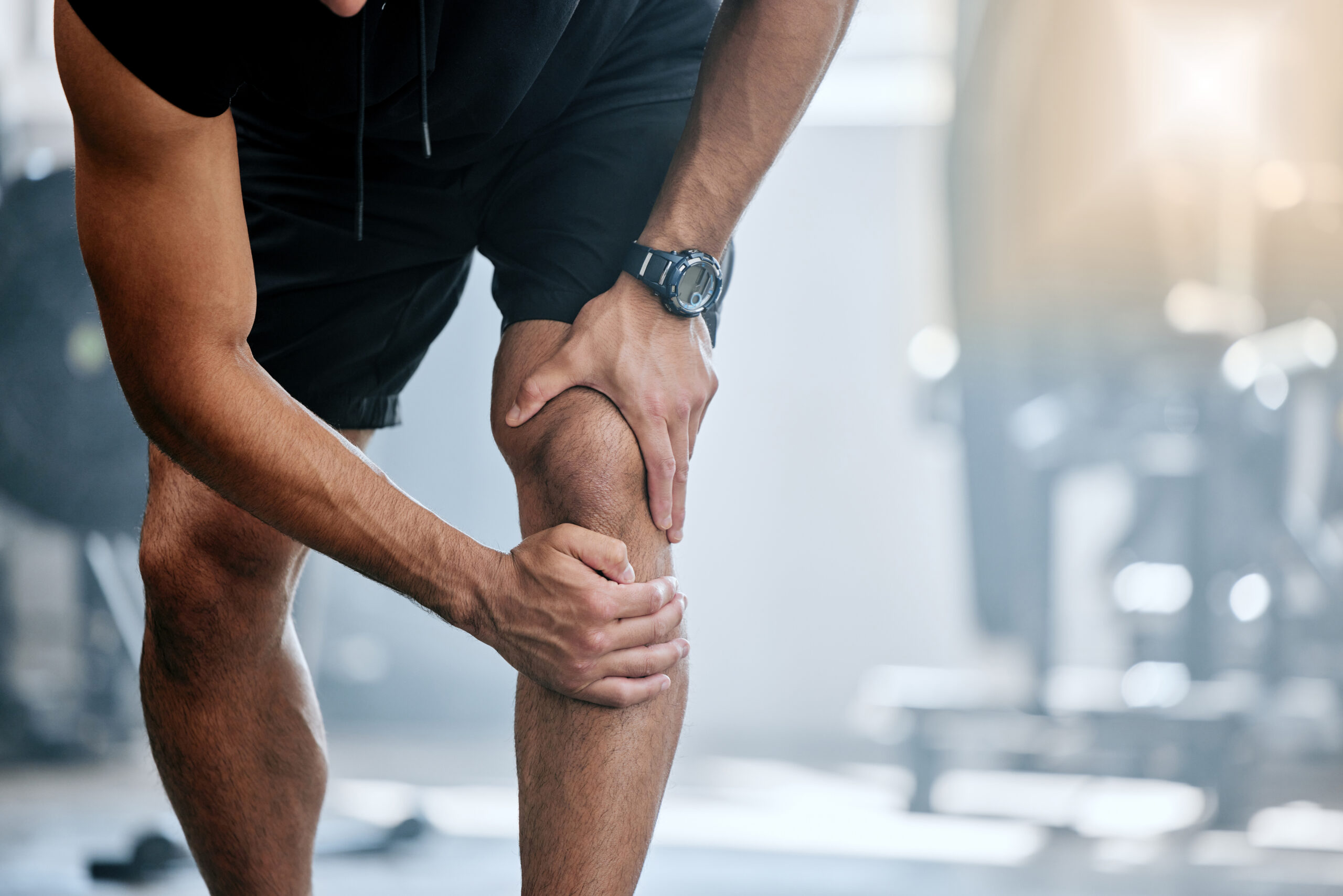
For many, rehabilitation after sports injury becomes the difference between a temporary setback and a long term issue. The goal is not just recovery, it is resilience.
Why Rehabilitation Matters More Than Rest
It’s a common misconception that rest alone is enough. While rest plays a role, proper physiotherapy for sports injuries ensures that healing happens correctly.
Without guided recovery:
- Muscles can weaken
- Joints may stiffen
- Movement patterns can change
- Risk of re-injury increases
Structured athletic injury treatment helps avoid these complications by introducing controlled movement at the right time. It also incorporates injury rehabilitation techniques that rebuild stability and function gradually.
In fact, the importance of rehabilitation after injury lies in its ability to restore not just the body but confidence in movement.
Key Phases of Recovery in Sports Rehabilitation
Recovery does not happen overnight. It unfolds in carefully planned stages, each building on the last. Understanding these stages of sports injury recovery helps set realistic expectations and encourages patience.
1. Acute Injury Management: The First Response
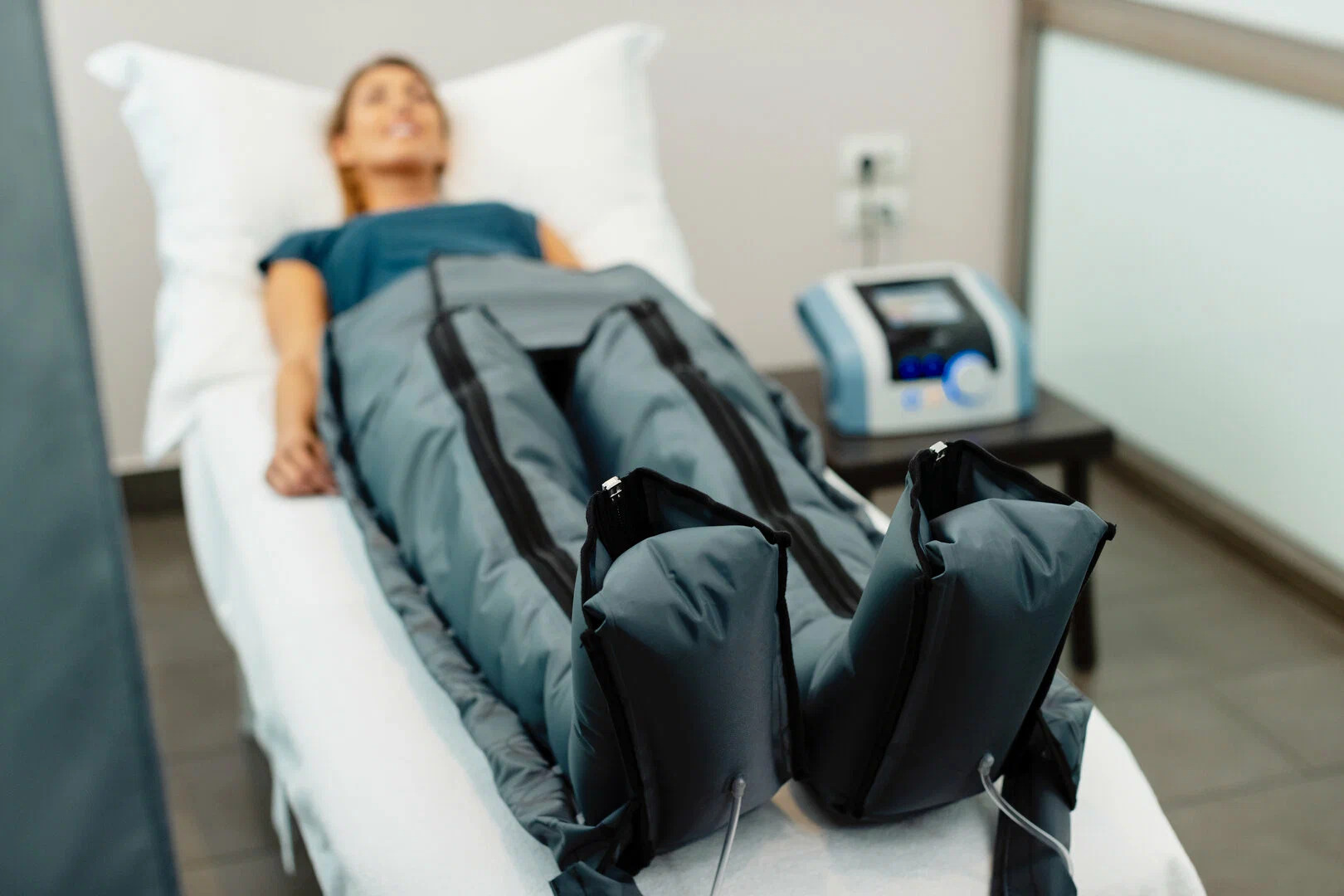
The journey begins with acute injury management, where the focus is on immediate care. This phase prioritizes pain and swelling reduction methods to protect the injured area.
Typical approaches include:
- Controlled rest
- Ice and compression
- Gentle positioning
This stage is less about doing more and more about doing the right things early.
2. Restoring Range of Motion
Once pain subsides, the next step is restoring range of motion. Stiffness can develop quickly after injury, making early mobility crucial.
Through gentle stretching and guided sports rehab exercises, movement begins to return. This phase emphasizes:
- Flexibility
- Joint mobility
- Controlled motion
It’s a delicate balance moving enough to heal, but not so much that it delays recovery.
3. Strength Building and Stability
As mobility improves, attention shifts to rebuilding strength. This is where muscle strengthening exercises become essential.
Weak muscles often contribute to injury in the first place. Strengthening them helps:
- Support joints
- Improve posture
- Reduce strain on injured areas
This phase also introduces balance and coordination training, ensuring the body can move efficiently and safely.
4. Functional Training for Athletes
Healing is one thing, returning to real-life movement is another. That’s why functional training for athletes is a key step.
Exercises become more dynamic and sport-specific, focusing on:
- Agility
- Reaction time
- Movement patterns
This stage bridges the gap between recovery and performance, helping individuals regain confidence in their abilities.
5. Return-to-Sport and Performance Readiness
The final phase focuses on safely resuming activity. Following proper return to sport guidelines ensures that the body is fully prepared.
This includes:
- Gradual intensity progression
- Performance testing
- Ongoing post-injury conditioning
It’s also where injury prevention strategies are reinforced because staying healthy matters just as much as getting better.
How Long Does Sports Rehabilitation Take?
One of the most common questions is: how long does sports rehabilitation take? The answer depends on several factors:
- Type and severity of injury
- Individual fitness level
- Consistency in following the plan
Some recover in weeks, while others may take months. What matters most is steady, guided progress and not rushing the process.
The Role of Exercises in Recovery
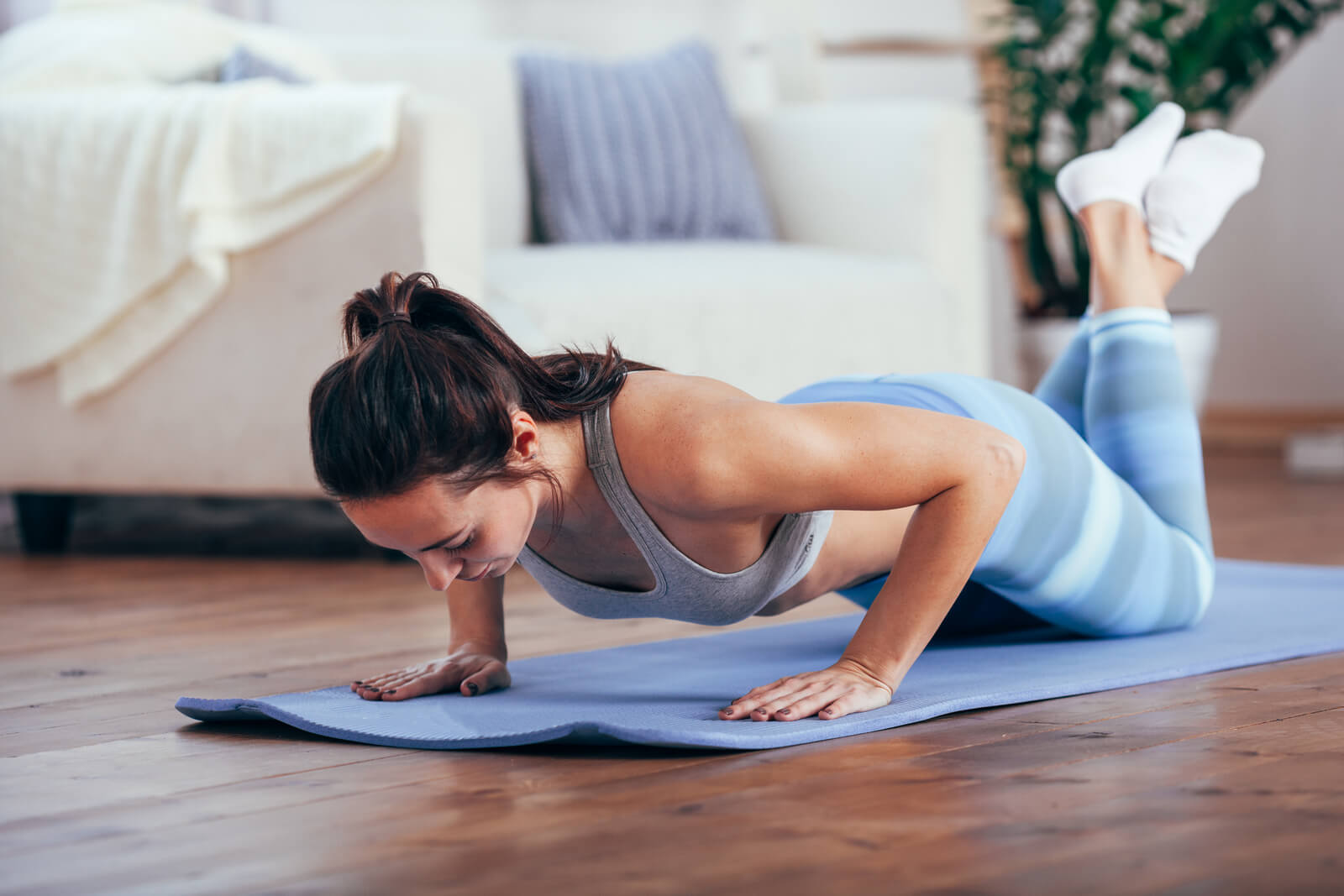
Movement is medicine when applied correctly. The best exercises for sports injury recovery are those tailored to the individual and their specific condition.
These may include:
- Gentle mobility drills
- Strength-focused routines
- Targeted muscle recovery and flexibility work
Over time, these exercises help improve athletic performance after injury and ensure individuals do not just return but return stronger.
Recovery Beyond the Clinic
While professional care is essential, recovery doesn’t stop there. Incorporating sports injury care at home can significantly enhance progress.
Simple steps like:
- Staying consistent with exercises
- Maintaining proper posture
- Following recovery guidelines
can make a noticeable difference.
For those seeking expert guidance, clinics like OTT Physical Therapy provide personalized care plans tailored to each individual’s needs. If you’re exploring Sports Rehabilitation in Montgomeryville, PA, having the right support system can make your recovery journey smoother and more effective.
How to Prevent Re-Injury After Rehab
Returning to activity is a milestone but it also comes with responsibility. Understanding how to prevent re-injury after rehab is key to long-term success.
Effective strategies include:
- Continuing strength training
- Practicing proper techniques
- Listening to your body
- Staying consistent with conditioning
Recovery isn’t a finish line. It is a foundation for future performance.
A Beginner Guide to Sports Rehabilitation Mindset
For those new to the process, a beginner guide to sports rehabilitation often starts with a mindset.
Patience, consistency, and trust in the process matter just as much as physical effort. Progress may feel slow at times, but every step forward counts.
For recovery tips for active individuals, remember:
- Small improvements lead to big outcomes
- Rest is part of progress
- Guidance accelerates healing
Conclusion
Sports Rehabilitation is more than a recovery method. It is a structured journey that transforms setbacks into comebacks. By understanding each phase and committing to the process, individuals can heal effectively, regain confidence, and return stronger than before.
Whether you’re navigating an injury or supporting someone who is, the right approach makes all the difference.
FAQs
What is sports rehabilitation and who needs it?
It is a structured recovery process designed for individuals recovering from physical activity-related injuries. Anyone experiencing a sports-related injury can benefit from it.
How long does recovery usually take?
Recovery time varies depending on the injury and individual factors, ranging from a few weeks to several months.
What are the main stages of recovery?
The process typically includes acute care, mobility restoration, strength building, functional training, and return-to-activity phases.
Can I do rehabilitation exercises at home?
Yes, many exercises can be done at home, but they should be guided by a professional to ensure safety and effectiveness.
How can I avoid getting injured again?
Following proper conditioning routines, maintaining strength and flexibility, and adhering to injury prevention strategies can significantly reduce the risk.