
Maria Heston is a physical therapist whose career spans more than 25 years. From working in hospitals to keeping Broadway performers healthy, Maria has built a reputation for her hands-on treatment style and expertise with Active Release Technique (ART). Her journey offers lessons for clinicians, performers, and anyone passionate about movement and recovery.
1. Building a Foundation in Orthopedics
Maria began her career at Boston University, earning her Master’s in Physical Therapy in 1999. Her first role at an orthopedic teaching hospital in New York City gave her a deep grounding in complex musculoskeletal care. These early years taught her that effective therapy requires more than just exercise—it calls for adaptability, observation, and individualized care.
2. From Clinic to Broadway
Maria’s career took a unique path when she transitioned into concierge physical therapy, eventually working backstage on Broadway shows like The Lion King. Treating dancers and performers demanded a new level of precision, as the physical strain of performing multiple shows a week often led to injuries.
She describes this environment as both exciting and challenging—one where performers rely on their therapists to keep them stage-ready. It was here that Maria refined her ability to deliver on-the-spot, highly personalized care.
3. Active Release Technique in Action
A cornerstone of Maria’s approach is Active Release Technique (ART), a method that targets scar tissue and soft tissue restrictions. ART combines movement and pressure to break down adhesions, improve mobility, and restore function.
Maria explains that ART is not only effective for high-level performers but also for anyone dealing with chronic tightness, overuse injuries, or mobility limitations. She views ART as more than a tool—it’s central to her philosophy of helping people move freely and recover faster.
4. The Value of Hands-On Care
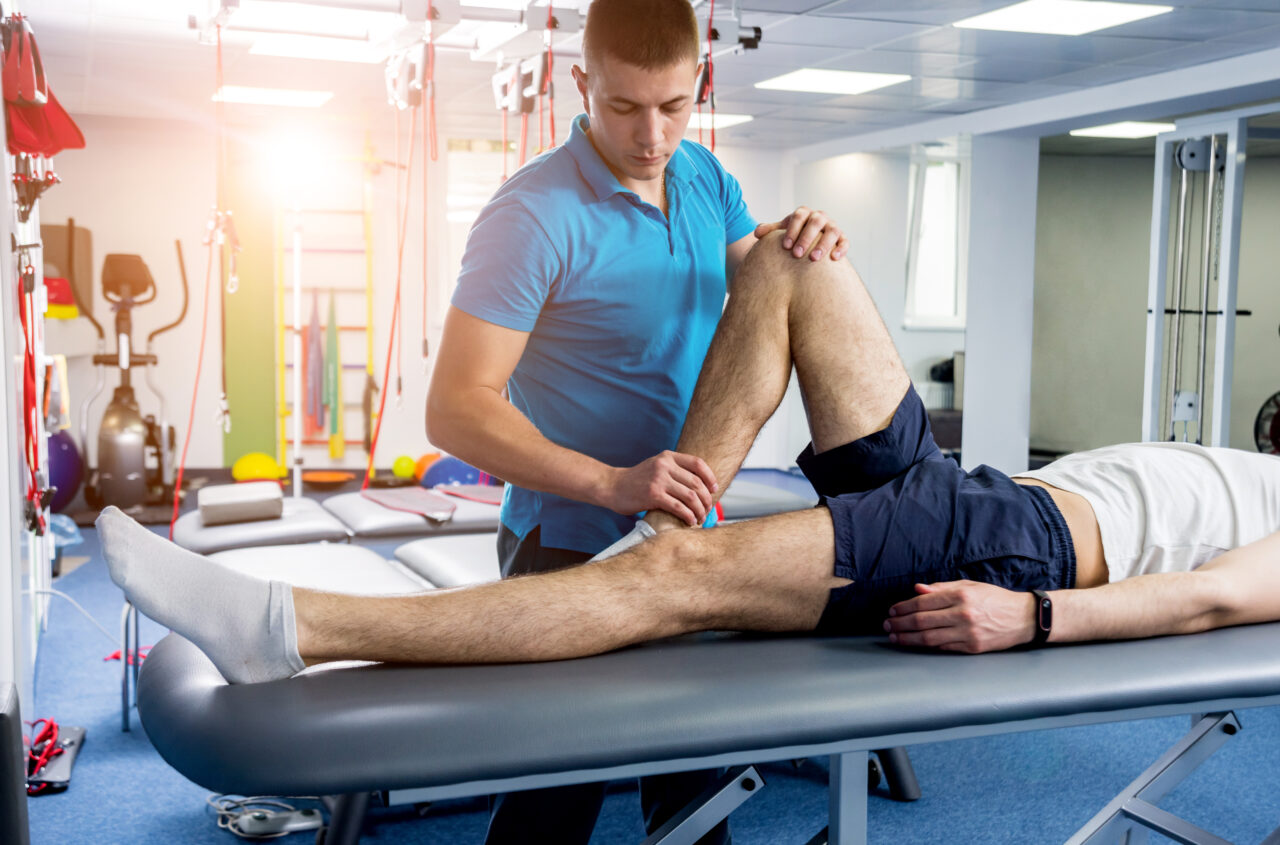
For Maria, hands-on therapy is key to bridging the gap between pain and performance. While exercises and strengthening remain important, she believes manual therapy accelerates recovery and builds trust with patients.
She highlights the impact of patients feeling the difference during treatment sessions—it reinforces progress and strengthens the therapeutic relationship. This connection, she notes, is just as important as the physical outcomes.
5. Lessons for Clinicians and Performers
Maria’s story offers valuable insights across professions. Clinicians can learn from her adaptability and willingness to pursue unconventional opportunities. Performers and athletes can take away the importance of proactive care and skilled manual treatment to support long-term health.
At its core, her career reflects the balance of science, art, and human connection that makes physical therapy so powerful. Whether treating patients in a hospital, working backstage, or running private sessions, Maria continues to help people perform at their best.