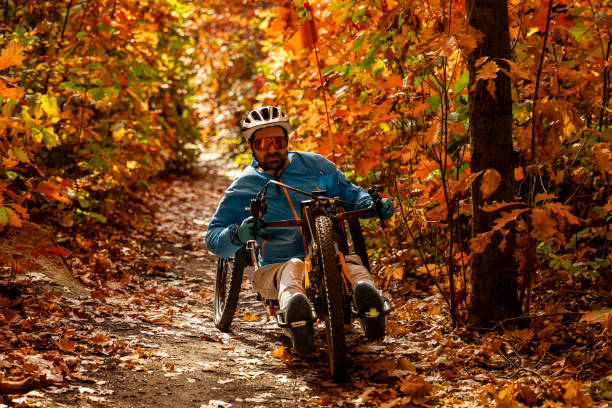
Adaptive sports continue to expand the possibilities for individuals with physical limitations, and few activities are as empowering and inclusive as adaptive cycling. I had an opportunity to talk with Terry Downey, PT, DPT, OCS, and a certified Level 2 Adaptive Mountain Bike (aMTB) specialist. She shared her extensive experience working with individuals of all ages and abilities in adaptive cycling and insights that are invaluable for fellow clinicians and adaptive cyclists alike.…
1. Adaptive Cycling Begins with Understanding the Whole Individual
One of the most critical points Downey makes is that adaptive cycling starts with understanding the person, not just the diagnosis. Whether working with a child who has cerebral palsy or an adult with a spinal cord injury, each rider’s needs are unique. Looking at functional abilities, personal goals, environmental considerations, and psychosocial factors when recommending adaptive bikes, is incredibly important.
For therapists, this means going beyond the impairment and taking a truly holistic approach. For clients and families, it reinforces that there is no one-size-fits-all solution, and the right adaptive setup can change a life.
2. Adaptive Cycling Equipment Selection is a Process, Not a Product
Bike fitting for adaptive riders is more complex than traditional cycling setups. It is important for a rider to try various adaptive bikes, handcycles, recumbents, tandems, and adaptive mountain bikes, before committing to a purchase. Fit, stability, propulsion method, terrain compatibility, and transport logistics all matter.
Physical therapists play a key role in assessing movement patterns, strength, and range of motion, and in collaborating with manufacturers and bike technicians to ensure safety and comfort. There is great emotional significance to this process. The right fit not only supports mobility but restores confidence and identity.
3. Community and Resources are Essential to Success
Many adaptive riders face barriers not only in equipment access but in community participation. Connecting individuals with local adaptive cycling programs, nonprofit organizations, and outdoor recreation groups is valuable, since peer support and structured ride days are often key to long-term success and motivation.
For physical therapists, helping patients tap into these resources is just as important as delivering care in the clinic. It’s about building a network that supports inclusion, not just independence.
4. Adaptive Cycling as a Tool for Therapy and Lifestyle
Adaptive cycling isn’t just recreational; it can be profoundly therapeutic. Cycling improves cardiovascular health, joint mobility, and muscle coordination, while also supporting mental well-being. For some, it becomes an extension of their rehab plan; for others, it reintroduces joy and autonomy.
By helping individuals access adaptive cycling, physical therapists unlock opportunities for community integration, long-term health, and sustainable exercise. The benefits often extend far beyond the initial injury or diagnosis.
5. Advice for Therapists and Future Adaptive Sports Advocates
Terry Downey encourages physical therapists to get hands-on experience with adaptive equipment and to collaborate with adaptive sports professionals. Volunteer at adaptive ride events, pursue certifications like the aMTB Level 2, and stay current with assistive technology developments.
Her biggest piece of advice? “Don’t be afraid to try.” Every athlete, regardless of ability, has potential, and the therapist’s role is to help them discover and pursue it.
Adaptive cycling is more than a sport. It’s a pathway to freedom, connection, and healing. Physical therapists have a unique opportunity to lead the way in making it accessible to all..