There’s a quiet kind of discomfort many people learn to live with, heavy legs after a long day, subtle swelling around the ankles, or that persistent ache that shows up after sitting too long. It doesn’t always feel urgent, but over time your body starts asking for support.
That’s where compression therapy enters the picture, not as a trend, but as a time tested, clinically supported way to help your body move better, feel lighter, and function more efficiently.
Let’s explore what it really is, how it works, and why it matters more than most people realize.
What Is Compression Therapy?
At its core, compression therapy is a method that uses controlled pressure to improve circulation in targeted areas most commonly the legs. This pressure is applied through specially designed garments like socks, sleeves, or wraps.
Think of it as gentle guidance for your circulatory system. Instead of letting blood and fluids settle in your lower limbs, these garments help move them upward, back toward the heart, where they belong.
This approach is widely used in both medical and everyday wellness settings, from managing chronic conditions to enhancing recovery after physical activity.
How Compression Therapy Works to Support Circulation
To understand the value, it helps to look at how compression therapy works.
Your veins rely on tiny valves to push blood upward against gravity. When those valves weaken or your muscles aren’t actively helping (like during long periods of sitting or standing), blood can pool in the legs. That’s when symptoms like swelling, fatigue, and discomfort begin.
Graduated compression therapy applies the most pressure at the ankle and gradually reduces it as it moves up the leg. This design encourages steady blood flow and helps:
- Improve blood circulation naturally
- Reduce fluid buildup
- Support vein function
- Prevent blood from pooling
It’s a simple concept but incredibly effective when used correctly.
Compression Therapy Benefits for Everyday Health
Most people associate compression therapy with medical conditions, but its benefits extend far beyond clinical use.
Here’s what consistent use can support:
1. Reduced Swelling and Discomfort
Whether it’s mild edema or end-of-day puffiness, compression can help reduce leg swelling and pain by limiting fluid retention.
2. Better Circulation
Improved blood flow means your tissues receive more oxygen and nutrients, which supports healing and overall vitality.
3. Lower Risk of Blood Clots
For individuals who are less mobile during travel, recovery, or long work hours, compression can help prevent blood clots naturally.
4. Enhanced Muscle Recovery
Athletes and active individuals often rely on muscle recovery with compression to reduce soreness and bounce back faster.
5. Less Fatigue in the Legs
If your legs feel heavy or tired by the end of the day, compression helps reduce leg fatigue and soreness by improving circulation efficiency.
Types of Compression Therapy You Should Know
Not all compression solutions are the same. Understanding the different types of compression therapy helps you choose what fits your needs.
Medical Compression Stockings
These are the most common options and are available in different pressure levels. Medical compression stockings are often recommended for circulation issues and post-surgical recovery.
Compression Garments for Legs
These include sleeves, wraps, and tights that target specific areas. They’re commonly used in both clinical and athletic settings.
Graduated Compression Therapy
This is the gold standard approach, where pressure decreases gradually up the limb to promote optimal blood flow.
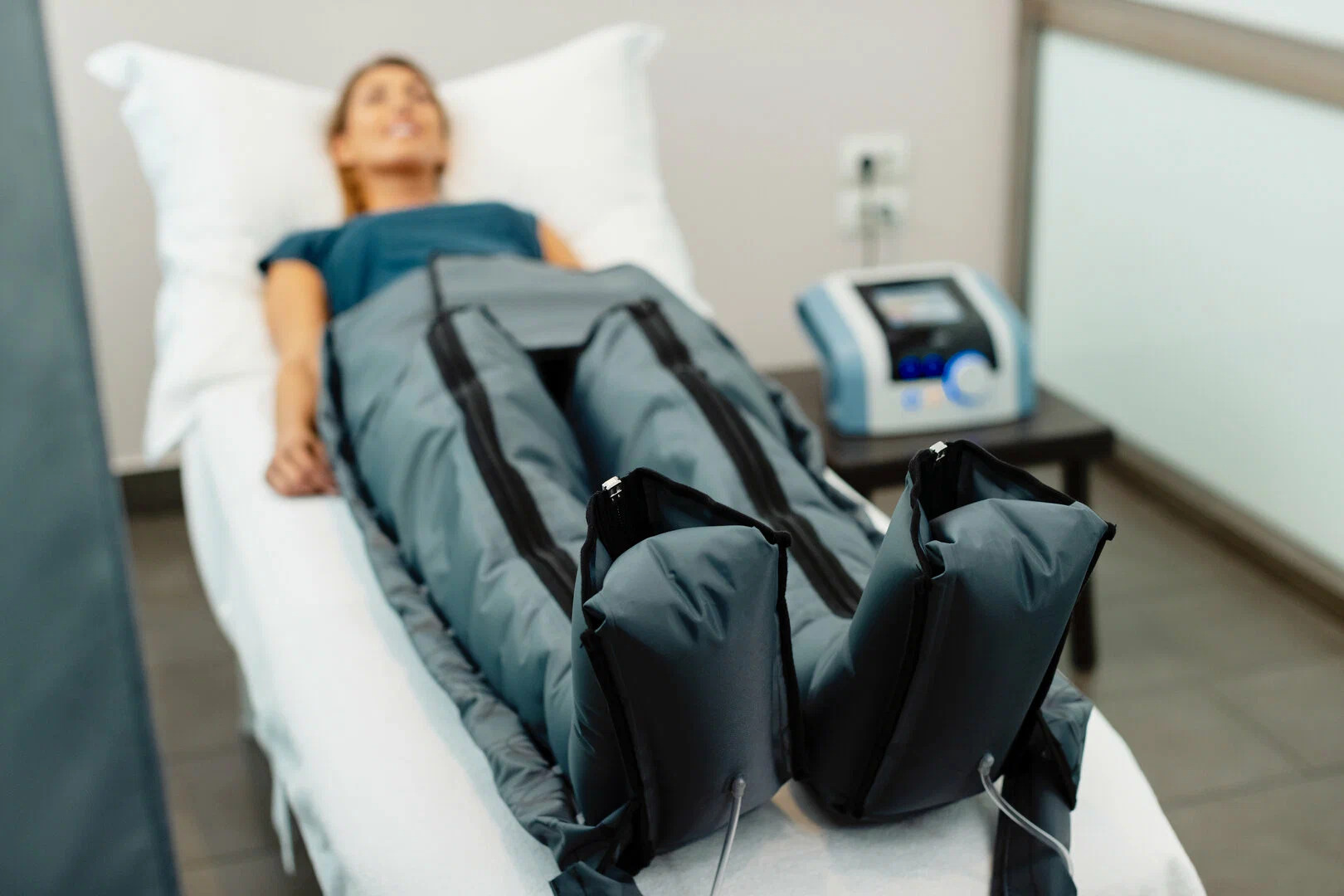
Intermittent Compression Devices
Used more in medical environments, these devices inflate and deflate to stimulate circulation especially helpful for immobile patients.
Who Should Consider Compression Therapy?
You don’t need a serious diagnosis to benefit from compression. In fact, many people incorporate it into their daily routine for prevention and comfort.
You might consider it if you:
- Sit or stand for long hours
- Experience leg swelling or fatigue
- Travel frequently
- Are recovering from an injury or surgery
- Want better athletic recovery
It’s also widely used for specific conditions, including:
- Compression therapy for varicose veins
- Compression therapy for edema (swelling)
- Compression therapy for lymphedema
- Compression therapy for poor circulation
- Compression therapy for deep vein thrombosis (DVT) prevention
- Chronic venous insufficiency treatment
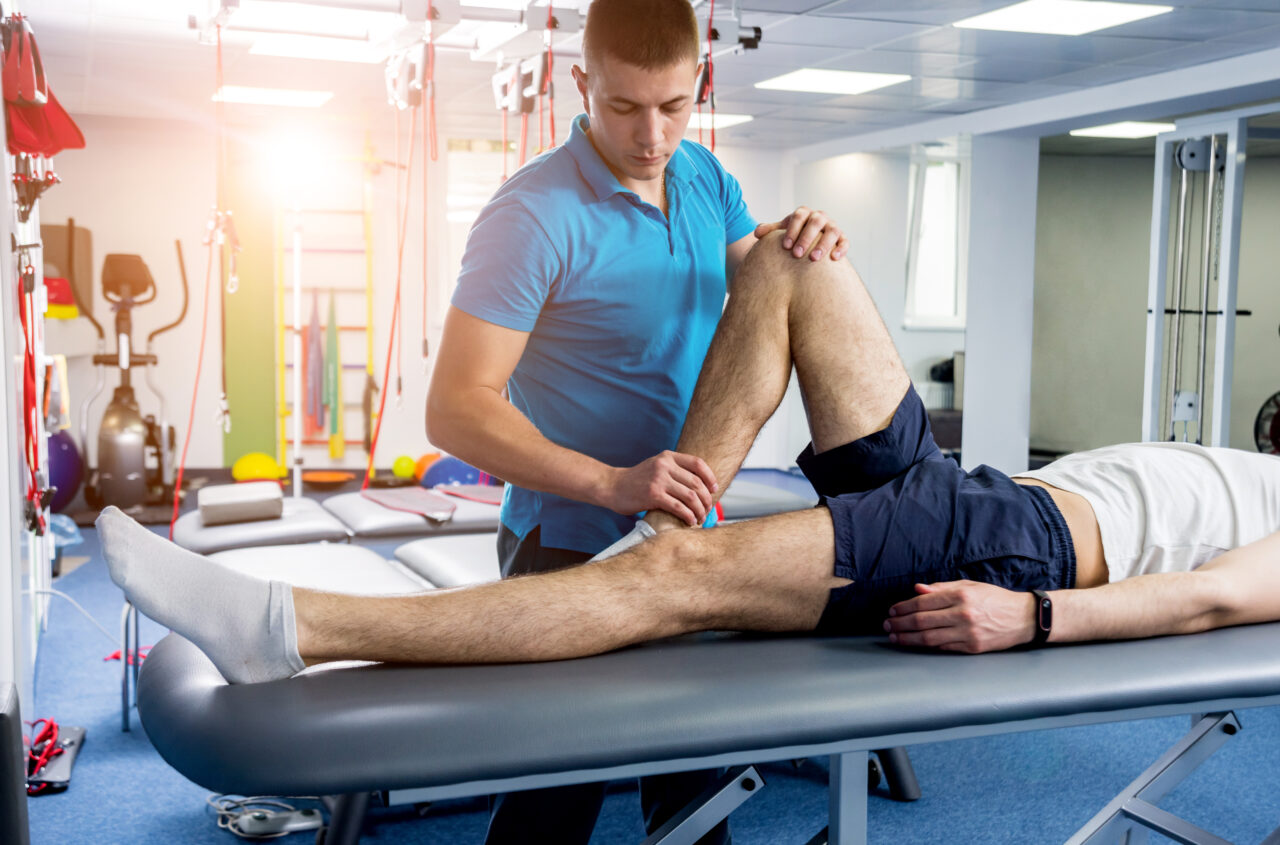
If you’re unsure where to start, a physical therapist can help guide you toward the right approach.
Using Compression Therapy Safely and Effectively
Like any health tool, proper use matters.
How to Use Compression Stockings
They should fit snugly but not painfully tight. Most people wear them during the day and remove them at night.
Choosing the Right Compression Level
Compression levels range from mild to medical-grade. Choosing the right compression level depends on your symptoms and goals.
When to Wear Compression Socks
Morning is usually the best time to put them on before swelling begins. If you’re wondering when you should wear compression stockings daily, consistency is key.
Compression Therapy at Home
Many people successfully follow a compression therapy daily routine at home, especially for mild symptoms or recovery support.
Is Compression Therapy Safe?
For most individuals, compression therapy is safe and well-tolerated. However, there are a few things to keep in mind.
Side Effects of Compression Therapy
Improper fit can lead to discomfort, skin irritation, or numbness. That’s why correct sizing is essential.
Who Should Be Cautious
People with certain conditions, such as severe arterial disease, should consult a healthcare professional before starting.
When used appropriately, doctor recommended compression therapy is both safe and highly effective.
Why Compression Therapy Matters More Than Ever
Modern lifestyles aren’t always kind to our circulation. Long hours at desks, reduced movement, and high stress levels all contribute to poor blood flow.
Compression therapy offers a simple, non-invasive way to counteract those effects.
It doesn’t require medication. It doesn’t disrupt your routine. Yet, it provides meaningful support to your body’s natural systems.
For those seeking Heat and Compression Therapy in Montgomeryville, PA, providers like OTT Physical Therapy integrate these techniques into personalized care plans helping individuals move better, recover faster, and feel stronger in their daily lives.
A Practical Step Toward Better Health
The beauty of compression therapy lies in its simplicity. It meets your body where it is whether you are managing a condition, recovering from strain, or simply trying to feel better at the end of the day.
It is not about dramatic change overnight. It is about steady, supportive improvement one step, one day, one routine at a time.
FAQs
Does compression therapy help with leg pain?
Yes, it can relieve discomfort by improving circulation and reducing swelling, which are common causes of leg pain.
When should you wear compression stockings daily?
Most people wear them during the day, especially when active, and remove them before sleeping.
Is compression therapy safe for everyone?
While generally safe, individuals with certain vascular conditions should consult a healthcare provider first.
How do I choose the right compression level?
It depends on your needs, with mild compression for daily comfort and higher levels for medical conditions. A professional fitting is recommended.
What are the benefits of compression therapy for leg swelling?
It helps reduce fluid buildup, improves blood flow, and provides lasting relief from swelling and heaviness.