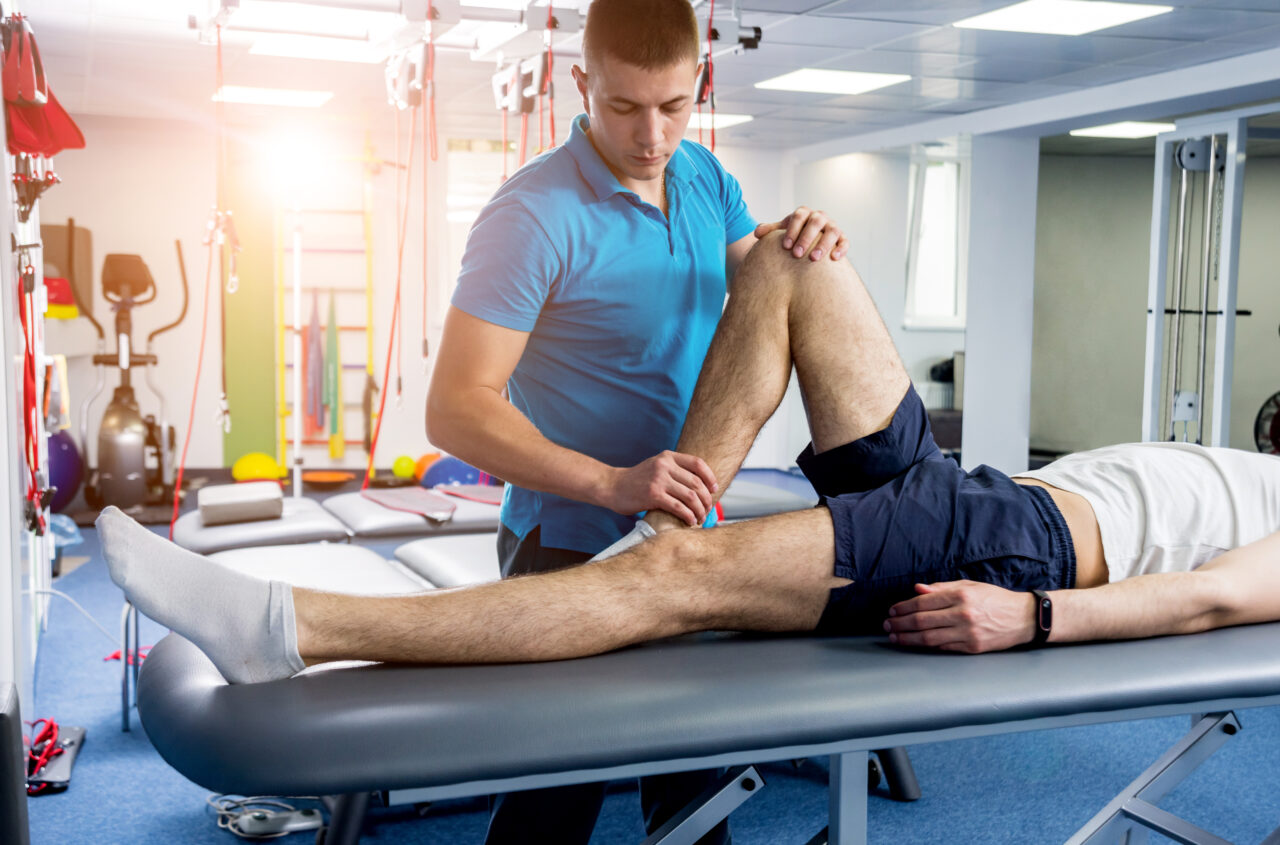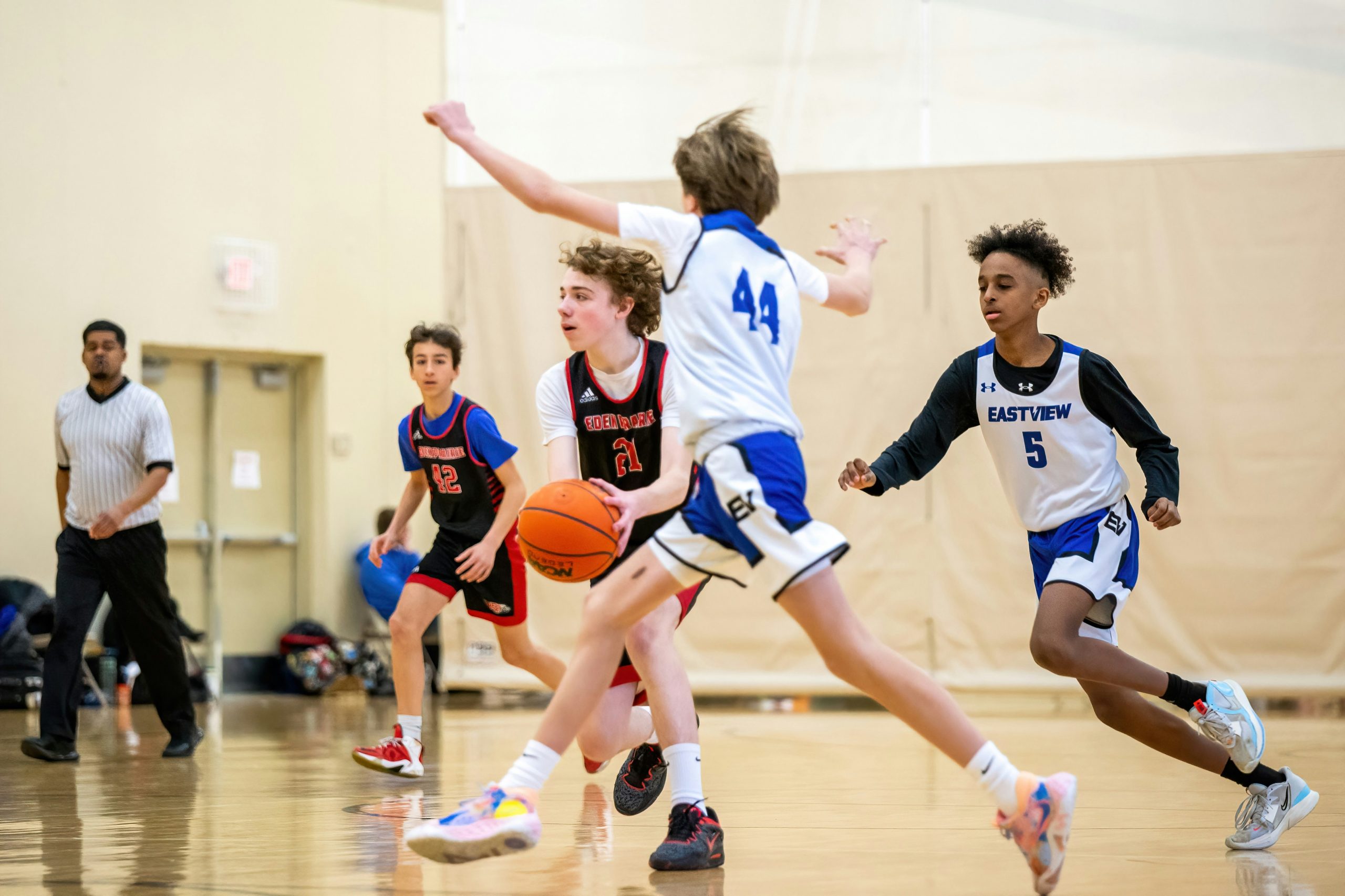
In recent years, youth sports have become more competitive, more specialized, and more physically demanding. As a result, the role of physical therapy in supporting young athletes has never been more critical. Through conversations with experienced professionals working directly with youth sports populations, one message is clear: physical therapy isn’t just for post-injury recovery; it’s an essential component of injury prevention, athletic development, and long-term physical health. This article offers key insights from a seasoned physical therapist who works hands-on with youth athletes across various environments, highlighting the evolving landscape of care, the importance of individualized approaches, and the profound impact PT can have on a young athlete’s journey.
Youth Sports Are Changing—and So Are Their Needs
Youth sports today are not what they were ten or even five years ago. Young athletes are starting earlier, training harder, and often focusing on a single sport year-round. While this commitment can build discipline and skill, it also increases the risk of overuse injuries, burnout, and imbalances. Physical therapists now play a pivotal role not only in rehabilitation but also in education, screening, and injury prevention.
PTs are seeing more ACL tears, stress fractures, and shoulder overuse syndromes in adolescent populations. With earlier identification and intervention, these patterns can be managed or even avoided. This shift from a reactionary to a preventative mindset is reshaping how we think about youth athletic care.
The Value of Sports-Specific Assessment and Treatment
One of the most valuable tools in a physical therapist’s approach to youth sports is a deep understanding of sport-specific movement demands. A young soccer player requires different movement patterns, coordination, and flexibility than a swimmer or gymnast. Cookie-cutter treatment plans don’t work. Instead, therapists must evaluate the biomechanics, training schedules, and positional needs of each athlete.
Individualized programming, whether it’s corrective exercise, strength training, or recovery strategies, ensures that therapy is relevant, functional, and aligned with the athlete’s goals. PTs are uniquely positioned to collaborate with coaches, trainers, and parents to design safe training environments that support performance without compromising health.
The Importance of Movement Literacy and Education
Physical therapists working in youth sports are often in the role of educator, helping young athletes understand how their bodies move, what good posture and mechanics look like, and how to recognize early signs of injury. This education is foundational. Movement literacy, knowing how to squat, land, sprint, or rotate correctly, is not instinctive for every child.
The earlier athletes build strong, efficient movement habits, the more resilient they become. Teaching foundational strength and mobility principles at a young age can reduce the chance of injury as training intensity increases. This proactive approach not only builds better athletes but healthier, more body-aware individuals.
Trust and Relationship-Building with Young Athletes
Engaging effectively with young athletes requires more than clinical knowledge. Physical therapists must be able to connect on a personal level to build trust and encourage open communication. Young athletes may be afraid to report pain because of a fear of missing a game or disappointing their coach or parents.
Creating a safe, supportive space helps athletes feel seen and heard. When PTs validate their experience and take the time to educate without judgment, athletes are more likely to engage, comply with treatment, and ultimately thrive. A strong therapeutic relationship can be just as important as the exercises prescribed.
Advice for Physical Therapists Working in Youth Sports
Working with youth athletes requires both specialization and adaptability. Every athlete has a unique developmental trajectory, training background, and psychosocial profile. For physical therapists entering this space, a few key recommendations stand out:
– Prioritize continuing education in biomechanics, sport-specific demands, and adolescent development.
– Stay current on best practices for strength and conditioning in youth.
– Embrace a collaborative mindset that engages families, coaches, and other healthcare providers.
– Always listen to the athlete. Their perspective is crucial, and building their confidence is part of recovery.
Above all, stay curious and humble. Youth sports are a dynamic and evolving field, and effective care comes from a willingness to learn, adapt, and grow alongside your patients.
Closing Thoughts
Physical therapy is more than a reactive tool. It is a cornerstone of proactive, holistic athlete development. As youth sports continue to grow in intensity and visibility, physical therapists have a profound opportunity to guide young athletes through their formative years with expertise, empathy, and a commitment to long-term health.
By focusing on prevention, movement literacy, and individualized care, we can not only reduce injuries but enhance performance, boost confidence, and support the overall well-being of the next generation of athletes.