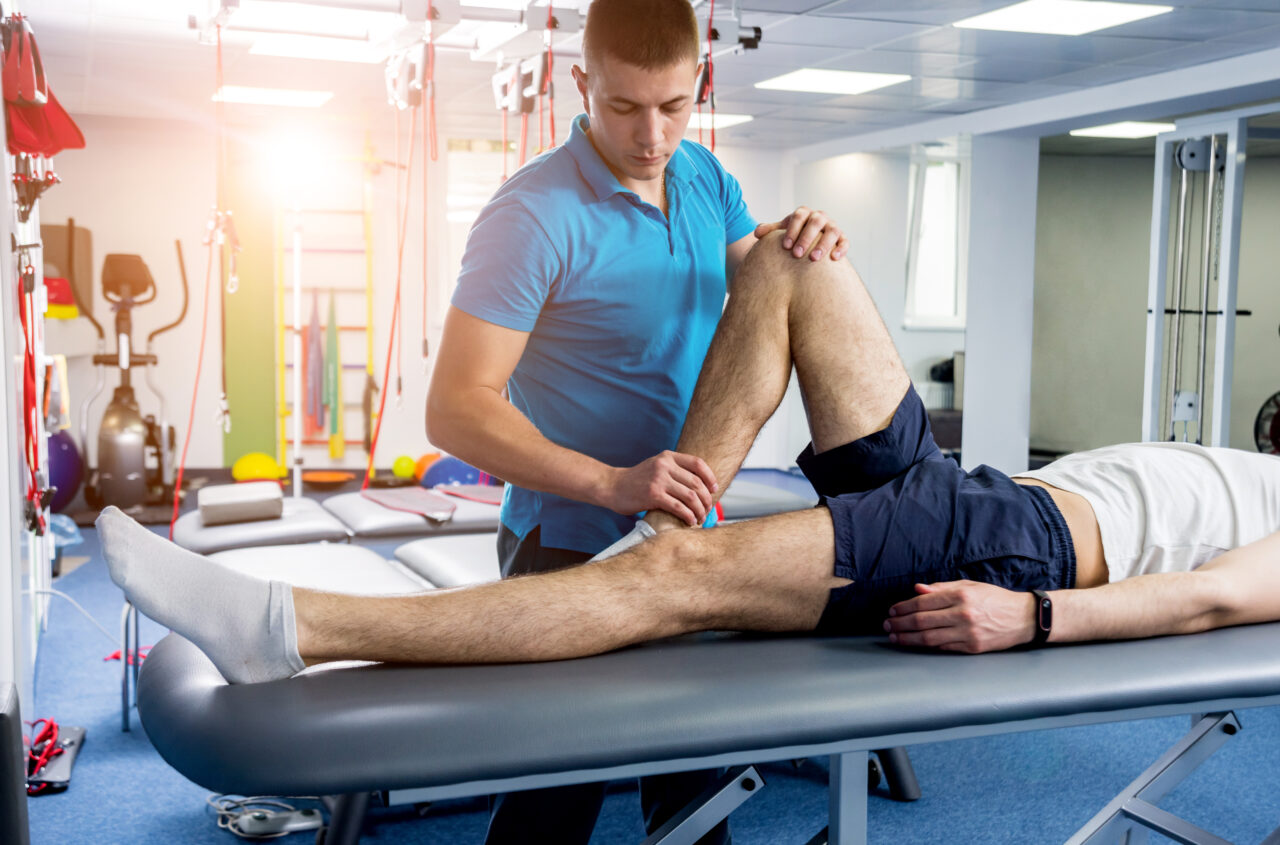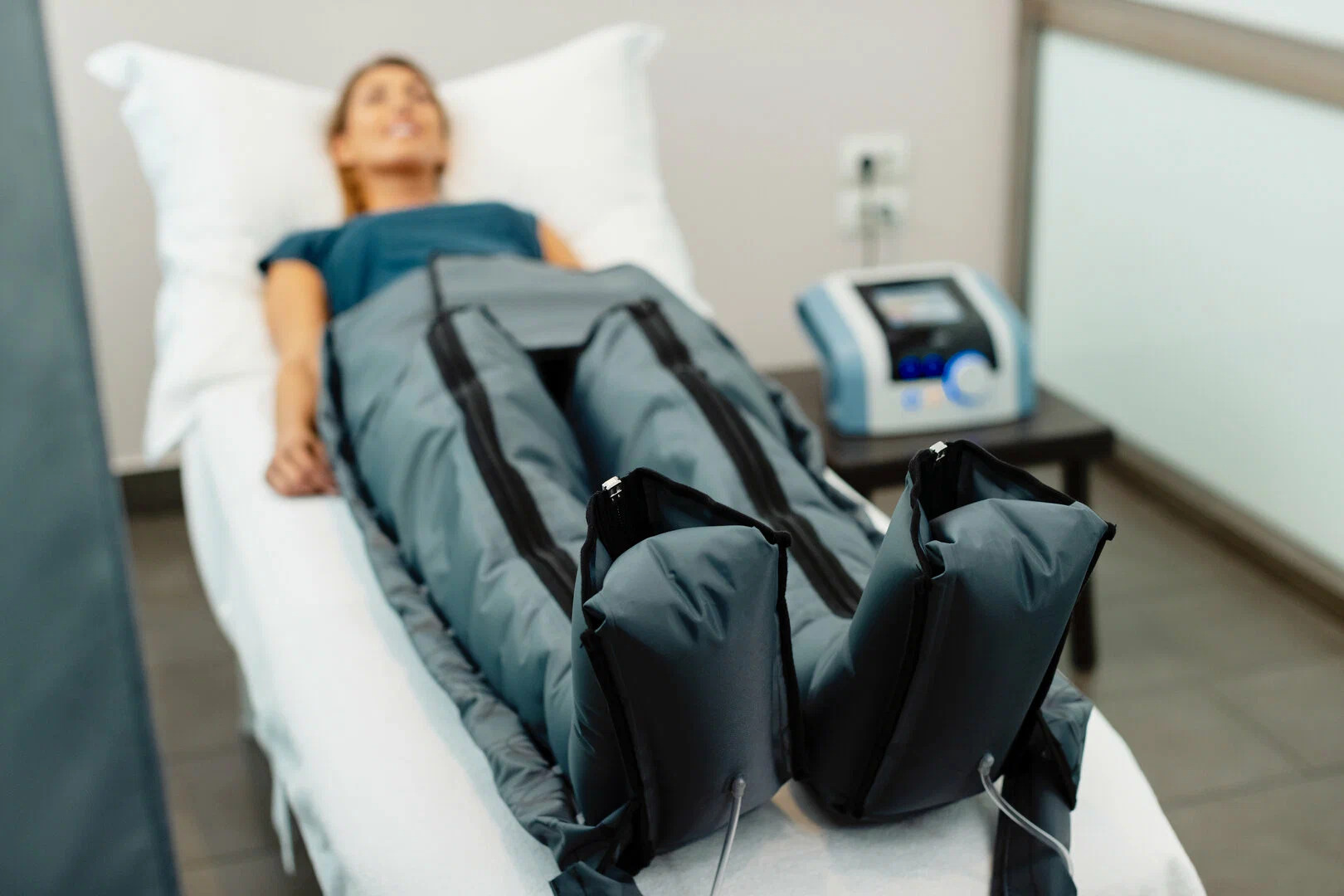
Exercise is a cornerstone of physical therapy, but understanding how to move from basic rehabilitation to more advanced training is both an art and a science. In a recent interview, physical therapist Mike Turnwald shares insightful perspectives on how exercise is applied in clinical care to help patients recover, perform better, and take control of their long-term health. His approach bridges fundamental concepts with advanced strategies, reminding us of the broad scope and power of movement-based…
1. Physical Therapy Is Not Just Rehab—It’s Smart Exercise
Turnwald emphasizes that physical therapy should not be viewed as a passive or limited intervention. Instead, it’s an active, structured, and progressive form of exercise tailored to each individual. Whether someone is recovering from an injury or trying to prevent one, physical therapists provide expert guidance in building safe, efficient, and functional movement patterns.
The advantage PT offers is customization. Unlike general fitness plans or internet workouts, physical therapists design exercise programs based on clinical assessment, movement analysis, and evidence-based progressions to ensure both safety and effectiveness.
2. The Basics Matter—But So Does Progression
Foundational exercises like bridging, squatting, and scapular stabilization are essential, but they are just the starting point. For long-term benefit and carryover to real-life function, patients must be progressed appropriately.
PTs recognize when a patient is ready to move from static exercises to dynamic patterns, or from isolated muscle activation to full-body coordination. Progression might include adding resistance, complexity, or functional specificity (e.g., going from a glute bridge to a single-leg deadlift).
This highlights the therapist’s role not just as a prescriber, but as a coach and movement strategist.
3. Patient Education Enhances Exercise Effectiveness
A key factor in successful outcomes is how well patients understand why they are doing what they’re doing. Instead of simply instructing, physical therapists should educate by explaining the purpose of each exercise, what it should feel like, and how it fits into the bigger picture.
When patients grasp the why, compliance improves, effort increases, and outcomes are more meaningful. This is particularly important as therapy shifts from the clinic into home programs or independent fitness routines.
When patients grasp the why, compliance improves, effort increases, and outcomes are more meaningful. This is particularly important as therapy shifts from the clinic into home programs or independent fitness routines.
4. Exercise Should Match the Person, Not Just the Diagnosis
Clinical decisions must reflect the individual, not just the injury. Two people with the same diagnosis, say, low back pain, may require vastly different exercise approaches based on age, fitness level, goals, and underlying movement patterns.
This personalized approach helps patients stay engaged and prevents plateaus. Whether the client is a high-level athlete, a weekend warrior, or someone managing chronic pain, the right challenge at the right time is what drives results.
5. Bridging the Gap to Performance and Longevity
Turnwald encourages physical therapists to see themselves as lifelong exercise specialists,not just post-injury providers. By continuing to work with clients through transitional stages, such as return to sport, fitness maintenance, or aging well, PTs have the opportunity to guide lasting health and performance.
This long-term view repositions physical therapy from reactive to proactive. Exercise becomes a form of healthcare—preventing injury, enhancing quality of life, and promoting resilience.
Mike Turnwald’s insights reinforce that physical therapy is a powerful, adaptable, and science-backed way to use exercise as medicine. From foundational rehab to advanced athletic development, PTs are uniquely equipped to meet people where they are and help them go further than they thought possible.