In the high-stakes world of Major League Baseball, the role of physical therapy has expanded far beyond traditional rehabilitation. Luke Novosel, PT, DPT, MS, ATC, SCS, CSCS, currently serving as a Physical Therapist and Assistant Athletic Trainer for the Pittsburgh Pirates, shares key perspectives on sports injury management, performance optimization, and multidisciplinary collaboration in a recent interview. Here are the standout themes that offer valuable insights for clinicians and aspiring sports physical therapists alike.
1. Understanding the Demands of the Throwing Athlete
One of the most nuanced challenges in baseball is managing the repetitive and high-stress nature of throwing. Novosel emphasizes the importance of understanding the kinetic chain, from ground reaction forces to scapular stability and elbow mechanics. Throwing isn’t just about the arm; it’s a full-body movement that requires integrated strength, mobility, and control.
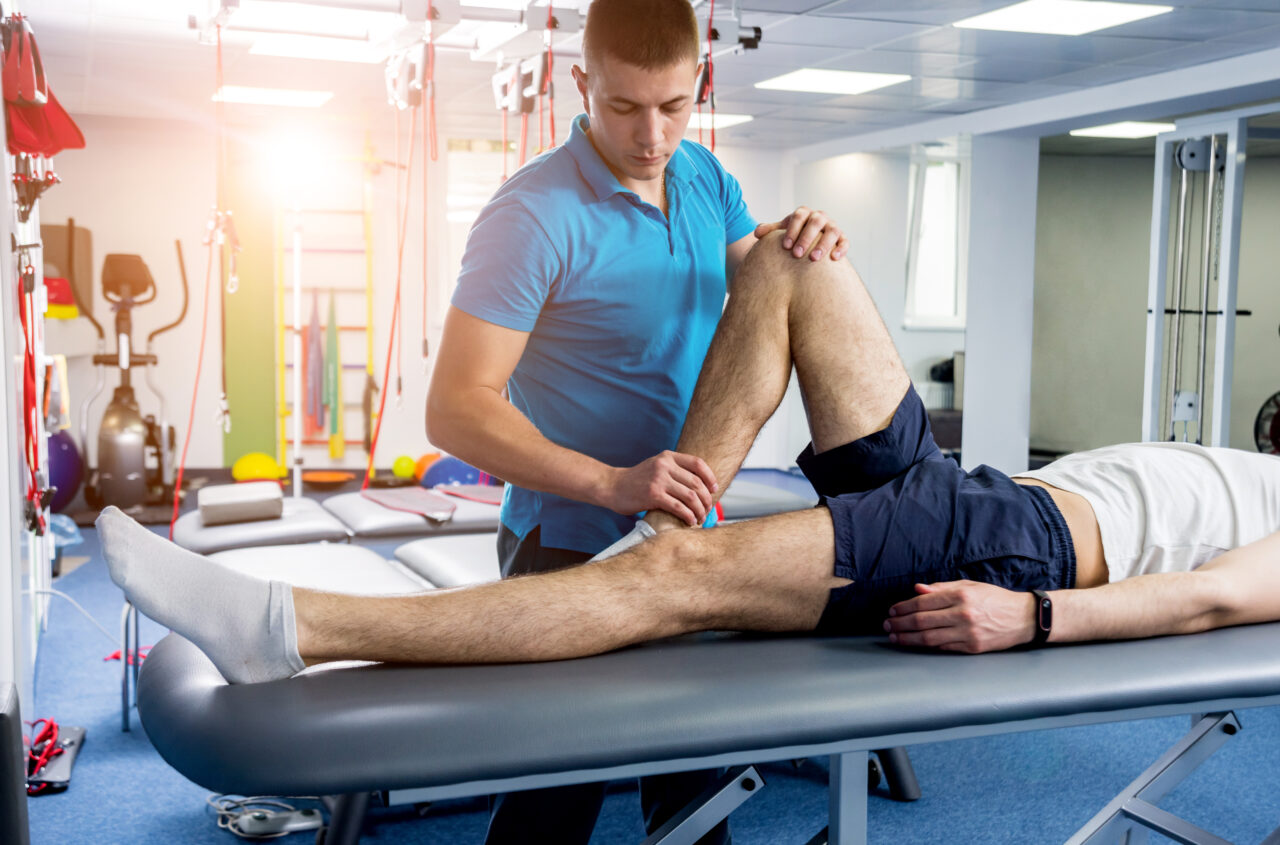
Injuries often stem not from a single traumatic event but from cumulative stress and suboptimal mechanics. Evaluation and treatment must go beyond isolated joint issues. For example, limited hip internal rotation or thoracic mobility can manifest as elbow or shoulder pain in a pitcher. A comprehensive movement analysis is critical for effective injury prevention and performance support.
2. Video Analysis as a Diagnostic and Educational Tool
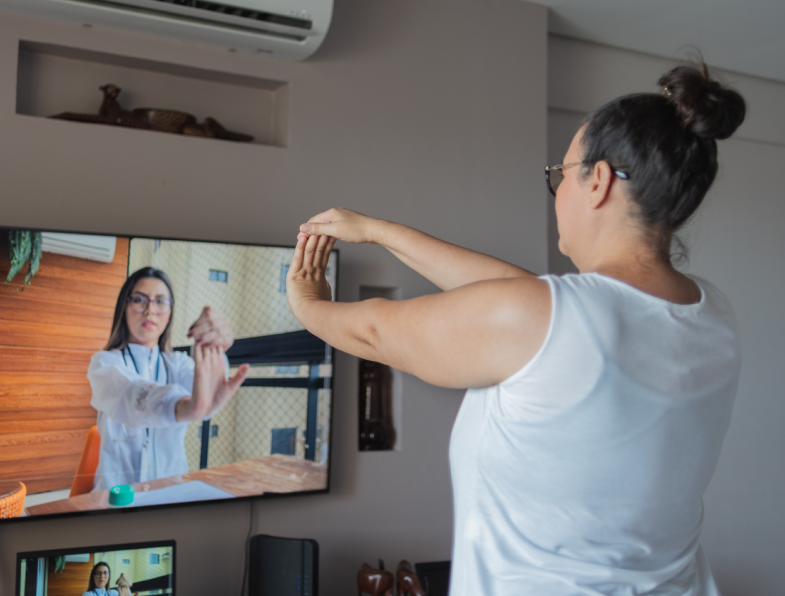
The integration of video analysis into physical therapy practice has transformed how PTs assess movement and communicate with athletes. Novosel and his colleagues use video not only to break down throwing mechanics but also to evaluate sprinting, hitting, and daily movement patterns.
This approach helps identify subtle compensations that may not be visible in real-time and allows for clear, visual feedback to the athlete. Video slows down complex motions, making it easier to explain why certain changes in technique are necessary. It also empowers athletes to take ownership of their rehab process by “seeing” their progress and areas for improvement.
3. Collaboration Across Disciplines is Essential
A truly integrated team model is key in professional sports. Athletic trainers, physical therapists, strength coaches, physicians, and sports scientists all contribute unique expertise. The best outcomes occur when communication is fluid, and decisions are made collaboratively.
As Novosel notes, egos must be checked at the door. Whether you’re managing an acute injury or making return-to-play decisions, the athlete’s well-being should be at the center of every discussion. Physical therapists in sports settings must be as comfortable collaborating with biomechanists and coaches as they are with manual therapy techniques.
4. Continuous Growth and Adaptability
Working in Major League Baseball means being open to change and committed to lifelong learning. Novosel describes how much his practice has evolved since entering the field, shifting from textbook-driven methods to data-informed decision-making, tailored interventions, and real-time responsiveness to each athlete’s needs.
He encourages other physical therapists to remain curious and humble. Success in sports PT isn’t just about clinical skill. It’s about being adaptable, communicative, and attuned to the evolving science of human performance.
5. Advice for Aspiring Sports Physical Therapists
For those aiming to work at the highest level of sports, Novosel offers clear advice: hone your craft, develop your observational skills, and build strong relationships. Technical expertise is crucial, but so is emotional intelligence. Athletes need to trust that their clinician understands not just their injury, but their goals, pressure, and mindset.
Luke Novosel’s insights highlight the dynamic and demanding nature of physical therapy in professional sports. From biomechanical analysis to team-based care, the modern sports PT must blend science, empathy, and communication to truly make an impact.