
You walk into the gym feeling motivated, ready to push a little harder than yesterday. A few sets in, something feels “off” in your knee or shoulder, but you ignore it, thinking it’s just normal soreness. By the next morning, even walking downstairs feels different. This is how many Workout Injuries begin, quietly, unexpectedly, and often preventably.
The truth is, fitness progress doesn’t fail because people stop working out. It fails because Workout Injuries interrupt consistency. And most of the time, they’re not dramatic accidents. They’re small warning signs we overlook.
Key Takeaways
- Most Workout Injuries develop from overuse, poor form, or inadequate recovery
- Early prevention is more effective than long recovery
- Safe training habits reduce long-term injury risk significantly
- Treatment works best when started early and guided properly
What Are Workout Injuries?
Workout Injuries are physical damages to muscles, joints, ligaments, or tendons caused by exercise-related stress, poor technique, overtraining, or sudden strain.
In simple terms: they happen when your body is pushed beyond what it can safely handle at that moment.
These injuries can range from mild muscle strain to more serious ligament tears or joint instability.
The Growing Problem Behind Workout Injuries
Modern fitness culture encourages intensity, “no pain, no gain,” heavier lifts, and faster results. But the body does not always adapt at the same speed as ambition.
Workout Injuries often appear in predictable patterns:
- Sudden increase in training intensity
- Poor warm-up routines
- Repetitive movements without recovery
- Weak supporting muscles
Even well-structured programs can lead to issues if recovery is ignored. That’s why understanding Workout Injuries is just as important as learning proper exercise technique.
Common Causes You Should Not Ignore
Most Workout Injuries don’t happen randomly. They build over time due to:
- Poor posture and alignment during lifts
- Skipping warm-ups or cooldowns
- Muscle imbalances between left and right sides
- Overtraining without rest days
- Ignoring early pain signals
This is where exercise safety tips and awareness of proper workout form become essential.
Types of Workout Injuries You May Encounter
Some of the most frequent Workout Injuries include:
- Hamstring strains (often from sprinting or sudden movement)
- ACL-related stress injuries in the knee
- Rotator cuff irritation in the shoulder
- Ligament strain from unstable movements
- Ankle injuries during leg workouts
Each type requires different care, but all share one thing: they often start small before becoming limiting.
Prevention and Recovery Framework
Here’s a simple, practical system to reduce risk and manage Workout Injuries:
- Warm up for 8–10 minutes before exercise
- Focus on controlled, proper movement patterns
- Increase intensity gradually over weeks, not days
- Schedule rest and recovery days
- Strengthen supporting muscle groups
- Address pain early instead of pushing through
This framework is especially helpful for workout injury prevention and long-term training consistency.
Insights From Rehabilitation Practice
In many cases, Workout Injuries are not about weakness. They are about imbalance. One muscle compensates for another, creating stress in the wrong place.
A helpful mindset shift is understanding that recovery is part of training, not separate from it. Programs that include sports injury recovery principles tend to reduce re-injury risk significantly.
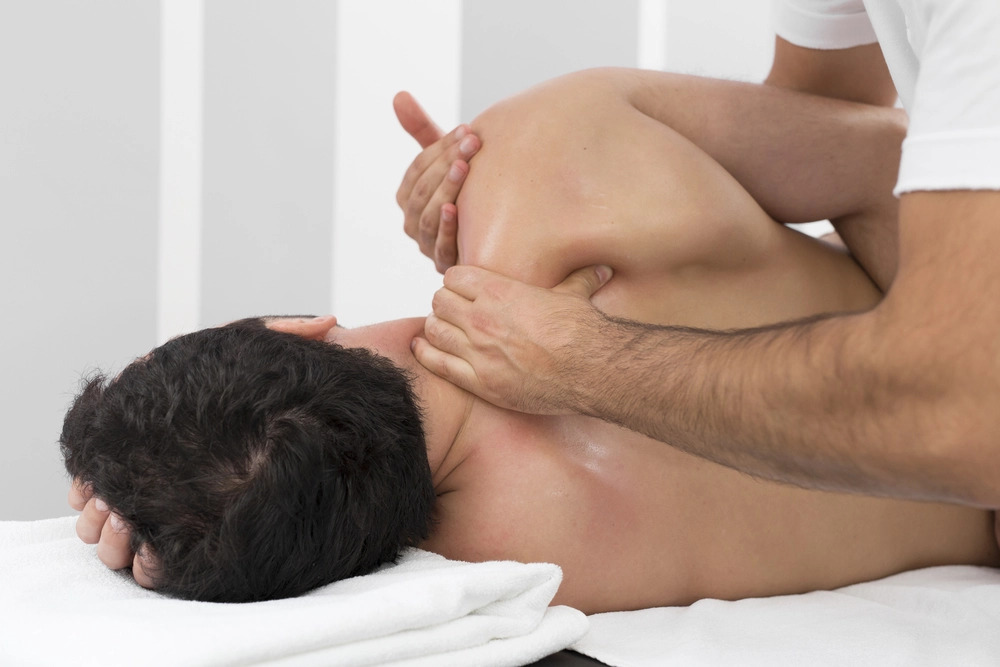
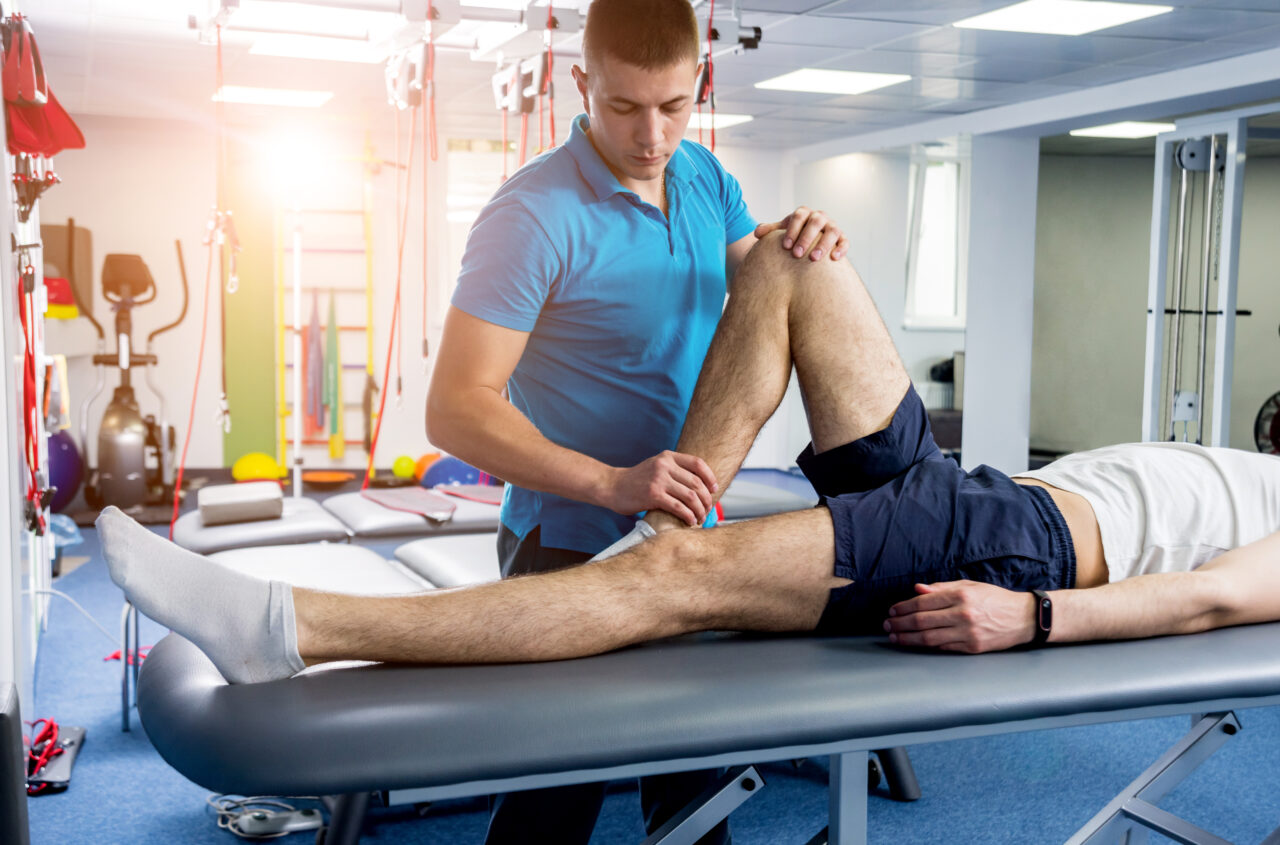
In structured care settings like Sports Rehabilitation in Montgomeryville, PA, rehabilitation often focuses on restoring movement quality before intensity is increased again.
Quick Comparison Table: Prevention vs Mistakes
| Practice | When it helps | Simple cue | Common mistake |
| Warm-up routine | Before training | “Prepare, don’t rush” | Skipping it entirely |
| Proper form | All exercises | “Control over speed” | Ego lifting |
| Recovery days | Weekly schedule | “Rest is training” | Training daily without pause |
| Mobility work | Pre/post workout | “Move better first” | Ignoring stiffness |
| Gradual progression | Strength building | “Small increases win” | Jumping weights too fast |
Treatment Approach for Workout Injuries
When workout injuries occur, early response matters more than anything else.
Common treatment approaches include:
- Rest and activity modification
- Ice or compression for swelling
- Gentle mobility work
- Gradual return to exercise
- Guided physical therapy
For muscle-related issues like strains, muscle strain recovery focuses on restoring flexibility and strength without re-aggravating the injury.
In more complex cases, structured gym injury treatment plans help rebuild strength safely.
Common Misconceptions About Workout Injuries
Many people assume:
- Pain always means injury
- Rest alone is enough for recovery
- Stretching prevents all injuries
- Only beginners get injured
In reality, Workout Injuries can affect anyone, including experienced athletes. The key is not avoiding all risk, but managing it intelligently.
Real-World Example
A 34-year-old recreational runner increased his weekly mileage too quickly while training for a 10K. Within two weeks, he developed knee pain that worsened with every run. Instead of stopping entirely, he switched to low-impact movement and structured rehab exercises. Over time, his symptoms improved, and he returned stronger with better pacing habits.
This is a common pattern seen in Workout Injuries, not from one event but from repeated overload.
“Prevention Is Better Than Cure”
As Benjamin Franklin famously said, “An ounce of prevention is worth a pound of cure.”
This applies directly to Workout Injuries. Small adjustments in training today often prevent months of recovery later.
Conclusion: Smarter Training, Fewer Setbacks
Most workout injuries are not bad luck. They are signals that something in training volume, technique, or recovery needs attention. The goal is not to avoid movement but to move smarter with awareness and structure.
With consistent habits, proper guidance, and early response to discomfort, you can continue progressing without unnecessary setbacks. Support systems like OTT Physical Therapy also help individuals rebuild strength safely and confidently when injuries occur.
Ultimately, fitness is not just about intensity, it is about sustainability.
Summary
Workout Injuries are common but highly preventable when proper training habits are followed. Understanding their causes, applying structured prevention methods, and responding early to discomfort can significantly improve recovery outcomes. With balanced programming and awareness, long-term fitness becomes safer and more effective.
FAQs
What are the most common Workout Injuries?
The most common include muscle strains, knee injuries, shoulder pain, ligament issues, and ankle sprains.
How can I prevent Workout Injuries during training?
Focus on proper form, warm-ups, gradual progression, and rest days to reduce risk.
When should I seek professional help for Workout Injuries?
If pain persists beyond a few days, limits movement, or worsens during activity, professional evaluation is recommended.
Can I still exercise with a minor injury?
Yes, but only modified or low-impact exercises that do not increase pain or strain.
What role does OTT Physical Therapy play in recovery?
OTT Physical Therapy helps individuals recover safely through structured rehabilitation programs and guided movement restoration.