
When people begin recovery after an injury or illness, one of the most common points of confusion is physical therapy vs occupational therapy. Both play an essential role in rehabilitation, both involve skilled therapists, and both aim to improve quality of life, but they are not the same.
Think of a patient recovering from a stroke or a sports injury. One therapist may focus on helping them walk again with strength and balance, while the other focuses on helping them button a shirt or cook a meal independently. That simple difference captures the heart of how these two therapies work together but serve distinct purposes.
For individuals seeking expert physical therapy in Montgomeryville, PA, understanding these differences can help set realistic expectations and choose the right care path from the start.
Key Takeaways
- Physical therapy focuses on movement, strength, and physical recovery
- Occupational therapy focuses on daily life skills and independence
- Both therapies often work together in rehabilitation programs
- Choosing the right therapy depends on functional goals and condition
Understanding Physical Therapy vs Occupational Therapy
The confusion between physical therapy vs occupational therapy is common because both fall under rehabilitation care and often overlap in treatment settings. However, their core goals differ significantly.
Physical therapy primarily restores mobility, strength, balance, and pain-free movement. Occupational therapy focuses on helping individuals perform everyday tasks like dressing, eating, bathing, or returning to work after injury or illness.
In simple terms:
- Physical Therapy: Helps your body move better
- Occupational Therapy: Helps you live better
This distinction becomes clearer when we look at real-life recovery situations such as fractures, neurological conditions, or post-surgical rehabilitation.
What Physical and Occupational Therapy Actually Mean
Physical Therapy (PT)
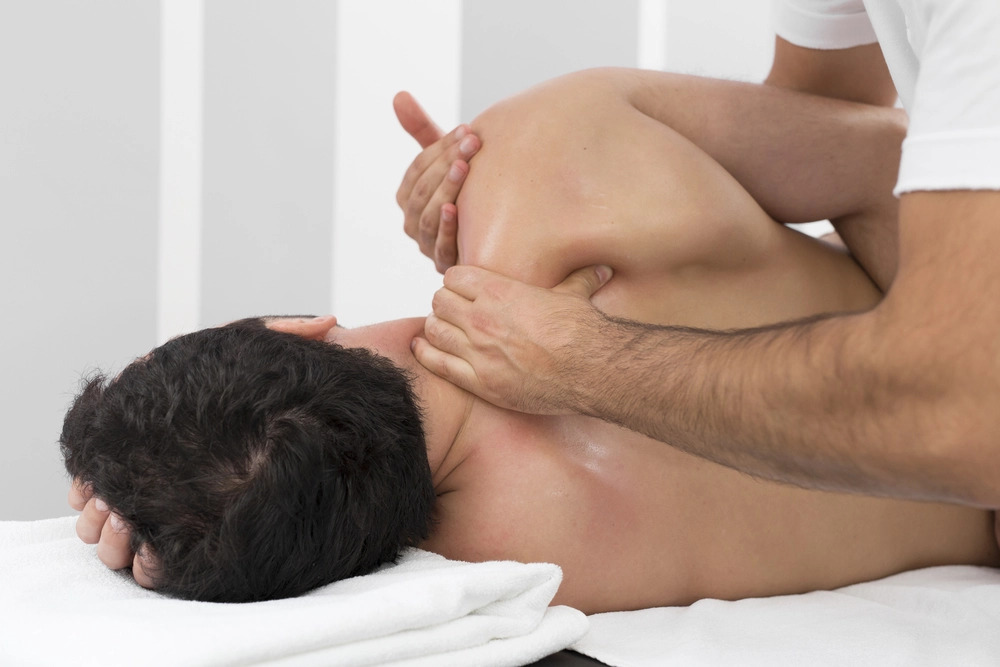
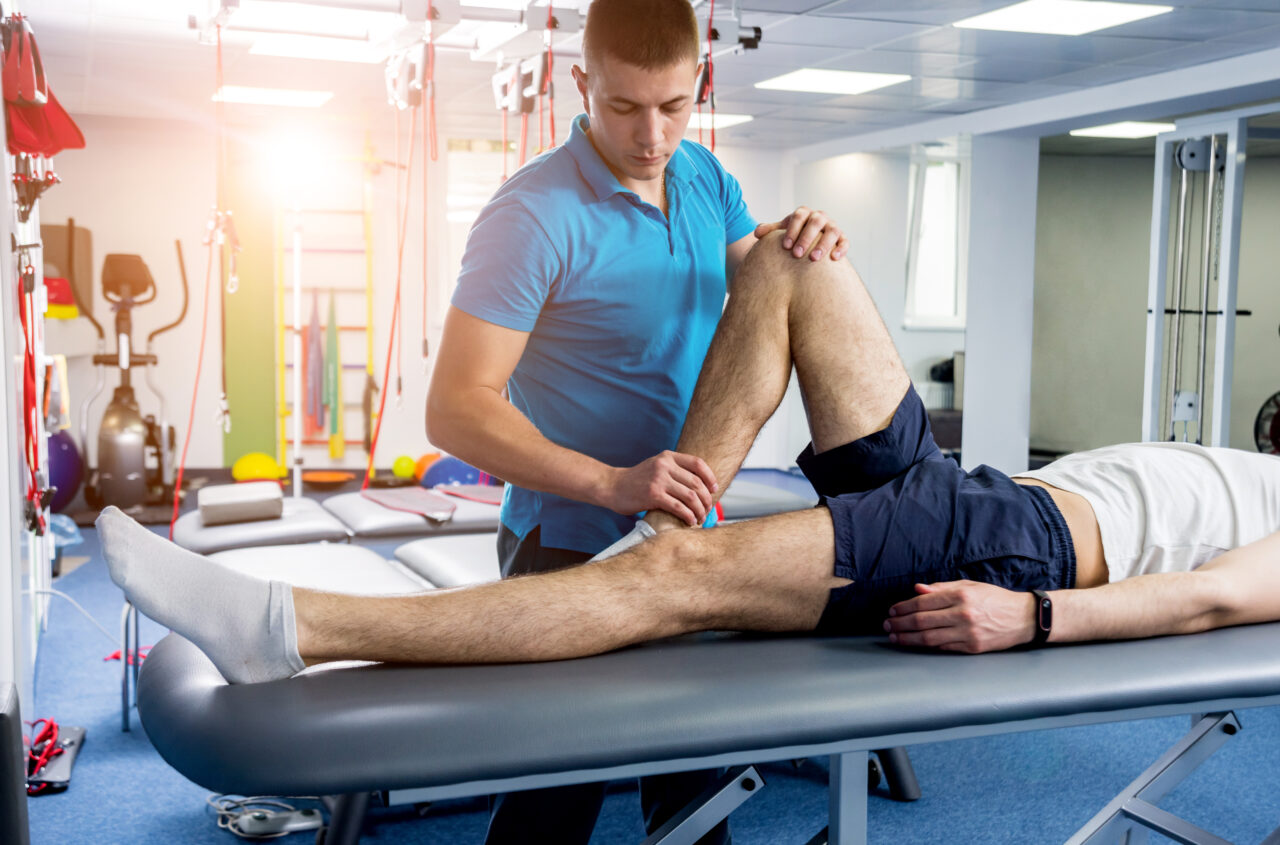
Physical therapy is a form of rehabilitation that improves mobility, reduces pain, and restores physical function. It often includes exercises, manual therapy, stretching, and guided movement programs.
Occupational Therapy (OT)
Occupational therapy helps individuals regain independence in daily activities. It may involve adaptive techniques, assistive tools, and training to perform functional tasks safely.
Physical Therapy: A clinical rehabilitation approach focused on improving movement, strength, flexibility, and physical function after injury or illness.
Occupational Therapy: A therapeutic practice that helps individuals regain independence in daily living activities and functional tasks.
Why Physical Therapy vs Occupational Therapy Matters in Recovery
Understanding physical therapy vs occupational therapy is important because it directly impacts recovery expectations.
For example:
- A patient recovering from knee surgery may need physical therapy to regain strength and walking ability.
- The same patient may need occupational therapy to safely return to cooking, dressing, or driving.
Both therapies complement each other and are often part of a combined rehabilitation therapy programs plan designed to support full recovery.
When used together, they improve not just movement but also independence and confidence in daily life.
Framework: How PT and OT Work Together
To simplify the rehabilitation process, professionals often use a combined approach:
- Assess physical limitations and daily life challenges
- Set functional recovery goals (movement + independence)
- Begin targeted physical rehabilitation exercises
- Integrate daily living training and adaptive strategies
- Monitor progress and adjust treatment plans
This framework shows how physical therapy vs occupational therapy is not a competition but a collaboration in patient recovery.
Key Differences in a Simple Table
| Aspect | Physical Therapy | Occupational Therapy | Simple Cue | Common Mistake |
| Focus | Movement and strength | Daily life activities | “Move better” vs “Live better” | Thinking they are the same |
| Goal | Restore mobility | Improve independence | Physical recovery vs functional living | Ignoring daily task training |
| Techniques | Exercise, manual therapy | Task training, adaptive tools | Body training vs life skills | Overlooking home adaptations |
| Setting | Clinics, hospitals | Homes, schools, clinics | Rehab movement spaces | Delaying therapy too long |
This table highlights physical therapy vs occupational therapy in a way that makes differences easy to understand at a glance.
Common Misconceptions About PT and OT
Many people assume these therapies are interchangeable, but that is not the case. A few misconceptions include:
- “Occupational therapy is only for jobs”
- “Physical therapy alone is enough for full recovery”
- “You only need one or the other”
In reality, both are part of a holistic rehabilitation process. For many patients, combining both leads to better long-term outcomes, especially in mobility and movement therapy and activities of daily living rehabilitation.
Real-World Example
Imagine Sarah, a 52-year-old recovering from a hip replacement.
During her recovery:
- Her physical therapist helps her rebuild strength, improve walking stability, and reduce pain.
- Her occupational therapist helps her safely climb stairs, get in and out of bed, and manage bathing independently.
This real-life case clearly shows physical therapy vs occupational therapy working together rather than separately. One restores physical capability, while the other restores daily independence.
Famous Insight on Health and Movement
“The greatest wealth is health.” Virgil
This quote reflects the core purpose of rehabilitation: restoring not just physical ability, but quality of life and independence.
When to Choose PT or OT
Choosing between these therapies depends on your recovery needs:
- If your main challenge is pain, weakness, or limited movement → Physical therapy
- If your challenge is completing daily tasks safely → Occupational therapy
- If both are affected → A combined rehabilitation plan is ideal
Understanding physical therapy vs occupational therapy helps patients avoid delays in recovery and get the right care at the right time.
Benefits of Each Approach
Physical Therapy Benefits
- Improved mobility and flexibility
- Reduced pain and stiffness
- Faster recovery after injury or surgery
Occupational Therapy Services Benefits
- Better independence in daily living
- Improved safety at home or work
- Use of adaptive tools and techniques
Both approaches contribute to overall rehabilitation therapy programs designed to restore full functionality.
Conclusion
The discussion around physical therapy vs occupational therapy is not about choosing one over the other. It is about understanding how each supports different parts of recovery. Physical therapy rebuilds the body, while occupational therapy rebuilds independence in daily life.
When combined, they create a complete pathway toward healing, confidence, and long-term well-being. Whether someone is recovering from surgery, injury, or a neurological condition, both therapies play a critical role in helping individuals return to a more active and independent life.
Summary
Understanding the difference between physical therapy and occupational therapy helps patients make informed recovery decisions. Physical therapy focuses on restoring movement and strength, while occupational therapy focuses on daily independence and life skills. Together, they form a complete rehabilitation approach that improves both physical ability and quality of life. Knowing when and how to use each therapy ensures a smoother and more effective recovery journey.
FAQs
What is the main difference between physical therapy and occupational therapy?
Physical therapy focuses on improving movement and strength, while occupational therapy focuses on helping individuals perform daily activities independently.
Do I need both PT and OT after surgery?
In many cases, yes. Combining both supports full recovery by addressing both mobility and daily function.
How long does occupational therapy usually last?
It depends on the condition, but it can range from a few weeks to several months based on progress and goals.
Is occupational therapy only for older adults?
No, it is used for children, adults, and seniors depending on their functional needs and recovery goals.
How does OTT Physical Therapy support recovery?
OTT Physical Therapy provides personalized rehabilitation programs that may include both physical and occupational therapy approaches depending on patient needs.